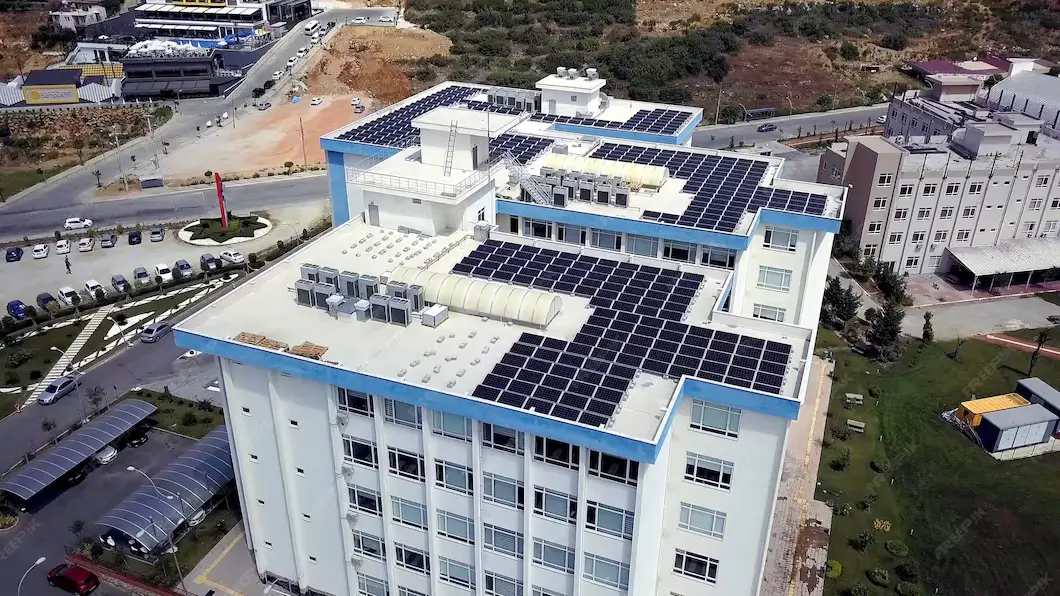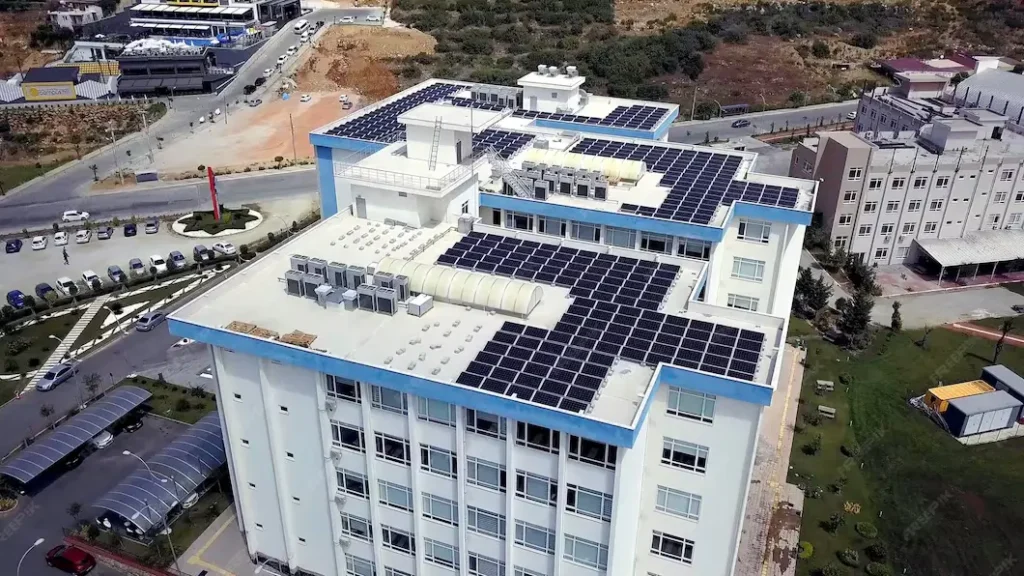
As the world faces rising energy demands and increasing environmental challenges, solar energy has emerged as one of the most effective and sustainable solutions. Solar panel adoption is growing rapidly across homes, businesses, and industries—and for good reason. Beyond reducing electricity bills, solar power offers powerful environmental benefits that contribute to a cleaner, healthier planet.
1. Solar Energy Reduces Greenhouse Gas Emissions
One of the most significant environmental benefits of solar panels is their ability to reduce greenhouse gas emissions. Traditional electricity generation relies heavily on fossil fuels such as coal, oil, and natural gas, which release large amounts of carbon dioxide and other harmful gases into the atmosphere.
Solar panels generate electricity without burning fuel. This means:
- No carbon dioxide emissions during operation
- A direct reduction in air pollution
- Slower progression of climate change
By switching to solar energy, households and businesses can significantly lower their carbon footprint.
2. Cleaner Air and Improved Public Health
Fossil fuel power plants release pollutants that contribute to smog, acid rain, and respiratory illnesses. These pollutants affect not only the environment but also human health, especially in urban and industrial areas.
Solar energy helps improve air quality by:
- Eliminating emissions of sulfur dioxide and nitrogen oxides
- Reducing cases of asthma and other respiratory conditions
- Creating healthier living environments
Cleaner air leads to healthier communities and reduced healthcare costs over time.
3. Conservation of Natural Resources
Conventional power generation consumes vast amounts of water for cooling and processing. This puts pressure on freshwater supplies, especially in regions already facing water scarcity.
Solar panels, on the other hand:
- Require little to no water to operate
- Help conserve valuable water resources
- Reduce environmental stress in dry and drought-prone areas
This makes solar power an excellent solution for sustainable energy development.
4. Reduced Dependence on Fossil Fuels
Fossil fuels are finite resources that take millions of years to form. Continued reliance on them leads to resource depletion and environmental degradation through mining and drilling.
Solar energy is:
- Renewable and abundant
- Available in most regions of the world
- A long-term solution for sustainable power generation
By adopting solar panels, societies can transition toward energy independence while preserving natural ecosystems.
5. Lower Environmental Impact Over Time
Although manufacturing solar panels requires energy and raw materials, their long-term environmental impact is minimal compared to traditional power sources. Once installed, solar panels can produce clean energy for 25 years or more.
Over their lifespan, solar panels:
- Offset the emissions produced during manufacturing
- Provide decades of clean, renewable electricity
- Deliver a net-positive environmental impact
This makes solar power one of the most environmentally responsible energy choices available today.